

Ever flipped over a bottle of foundation and found a tiny bunny staring back at you? Cute, right? But here’s the catch: not every bunny means the same thing, and some don’t mean anything at all.
In the U.S., the words “cruelty-free” and “not tested on animals” have no legal definition. Any brand can print them on a label, even if its ingredients were tested on animals somewhere along the way. That’s where third-party certifications come in.
The two you’ll see most often are Leaping Bunny and PETA’s Beauty Without Bunnies. Let’s break down what each one really means, so you can shop with confidence (and a little extra sparkle).

Leaping Bunny: the gold standard
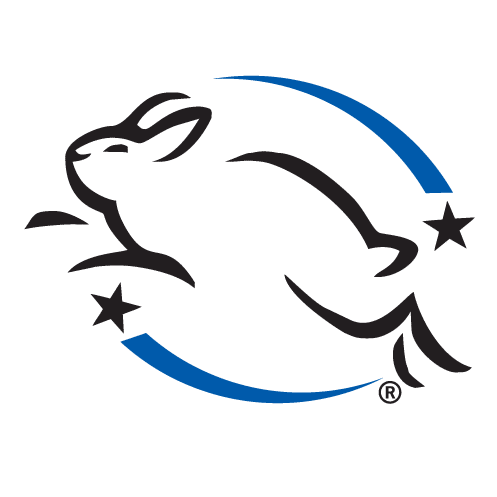
The Leaping Bunny program is widely considered the toughest cruelty-free certification out there. It’s run by two partners that share one standard:
- CCIC (Coalition for Consumer Information on Cosmetics): a group of eight national animal protection organizations that certifies brands based in the U.S. and Canada.
- Cruelty Free International: a UK-based nonprofit that began in 1898 as the British Union for the Abolition of Vivisection. It manages Leaping Bunny approvals for brands in the rest of the world, working with regional partners.

So if you spot a Leaping Bunny logo with “Cruelty Free International” printed underneath, don’t worry, it isn’t a different certification. It’s the same bunny with the same rules, just approved through the international side. (Fun fact: Australia’s Choose Cruelty Free program merged into Cruelty Free International in 2021, so its approvals now fall under Leaping Bunny too.)
To earn that hopping bunny, a brand must:
- Set a fixed cut-off date. After that date, neither the brand nor its suppliers or manufacturers can conduct, commission, or pay for animal testing.
- Run a supplier monitoring system. The brand has to collect written proof from its ingredient suppliers that they don’t test on animals either.
- Be open to independent audits. Leaping Bunny can check that the brand’s supplier records hold up.
- Recommit every year. Brands that don’t renew are removed from the list.
The audits are the big deal here. Leaping Bunny doesn’t just take a brand’s word for it. It can actually check the receipts.
One thing to know: Leaping Bunny is about animal testing only. A Leaping Bunny product can still contain animal-derived ingredients like beeswax, honey, or carmine, so it isn’t automatically vegan.
PETA’s Beauty Without Bunnies: big, friendly, and vegan-aware
PETA’s Global Beauty Without Bunnies program certifies companies that don’t conduct or pay for animal tests on their products or ingredients, anywhere in the world. PETA’s list covers thousands of companies, which makes it a super handy place to start.
PETA offers two logos:
- Cruelty-Free: the brand doesn’t test on animals.
- Cruelty-Free and Vegan: the brand doesn’t test on animals and its entire product line is free of animal-derived ingredients.
That vegan option is a real perk if you want to skip animal ingredients too.

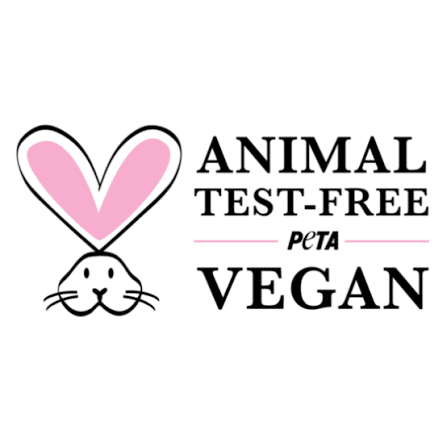
To join, a brand fills out a questionnaire and signs a statement of assurance promising that neither it nor its suppliers test on animals. The catch? PETA doesn’t independently audit those promises. It relies on the brand’s word, plus the threat of public exposure if a company gets caught fibbing.
Side by side
| Leaping Bunny | PETA Beauty Without Bunnies | |
|---|---|---|
| Run by | CCIC and Cruelty Free International | PETA |
| No animal testing (brand and suppliers) | Yes | Yes |
| Supplier monitoring system | Required | Not required (signed statement instead) |
| Independent audits | Yes | No |
| Yearly recommitment | Required | Not required |
| Vegan option | No | Yes, “Cruelty-Free and Vegan” logo |
| Best for | Maximum confidence on testing | Finding vegan brands and browsing a big list |
The bottom line: Leaping Bunny is the stricter of the two because it verifies. PETA is broader and makes it easy to find vegan brands. Both are trustworthy starting points, and a brand with both is a beautiful thing.
Beware the imposter bunnies
Here’s where it gets sneaky. Some brands print their own bunny drawing on the box with no certification behind it. It looks official, but nobody’s checking.
A few things to keep in mind:
- Only trust the real logos. If it isn’t the Leaping Bunny or one of PETA’s official bunny logos, treat it as a brand’s own claim.
- No logo doesn’t always mean no certification. Licensing the logo costs money, so some certified brands skip it. Check the official lists to be sure.
- Watch out for China. China used to require animal testing on all imported cosmetics. Since May 2021, most “general” cosmetics like lipstick, shampoo, and lotion can skip it if the brand meets certain conditions. “Special use” products, like some sunscreens and skin-lightening creams, can still require testing. If a brand sells in mainland China, it’s worth checking how it handles this.
- Parent companies count for some shoppers. A certified brand can be owned by a bigger company that still tests on animals. Whether that’s a deal-breaker is your call.
Shop with confidence
Ready to put your bunny-spotting skills to work? Here’s my quick checklist:
- Look for the Leaping Bunny or PETA logo on the package.
- No logo? Search the brand on Leaping Bunny’s shopping guide or PETA’s cruelty-free database.
- Want vegan too? Look for PETA’s “Cruelty-Free and Vegan” logo, or check the ingredient list for beeswax, carmine, lanolin, and honey.
- When in doubt, email the brand. A truly cruelty-free company is usually happy to tell you all about it.
Remember, every purchase is a little vote for the kind of world we want. And honestly? Playing with makeup is even more fun when no bunnies were harmed in the making.
Got a question about a brand? Drop it in the comments and I’ll do some digging!
Sources
- The Corporate Standard of Compassion for Animals, Leaping Bunny
- The Leaping Bunny Difference, Leaping Bunny
- Leaping Bunny, Cruelty Free International
- Cruelty Free International, Wikipedia
- Global Beauty Without Bunnies, PETA
- Decoding Cosmetics Claims, Truth in Advertising
- New Regulations in China Allow for Cruelty-Free Cosmetics, PETA